One of the most common mistakes I see at the beginning of every year is this: business owners set a revenue goal and call it a budget.
“I want to make $500,000 this year.”
“We’re aiming for a million.”
“We’re growing 20 percent.”
Those are goals. They are not budgets.
A revenue goal tells you what you hope to earn. A budget tells you how your business actually operates, survives, and grows. When those two things get confused, cash flow problems almost always follow.
Why Revenue Goals Feel Productive but Fall Short
Revenue goals feel exciting. They give you something to aim for. They look good written on a whiteboard or shared with a team. But on their own, they leave out the most important part of the equation: what it takes to achieve them.
Revenue does not exist in a vacuum. Every dollar you bring in creates activity behind it.
More revenue usually means:
- Higher cost of goods sold
- Increased payroll or contractor costs
- More software, tools, and systems
- Greater leadership and management demands
- Higher tax obligations
If none of that is mapped out, the revenue goal becomes pressure instead of progress.
This is how businesses grow “successfully” and still feel broke.
A Budget Forces You to Face Reality
A real budget answers questions that revenue goals ignore.
- How much does it actually cost to run this business each month?
- What does payroll need to be to achieve these goals?
- What needs to be set aside for taxes and cash reserves?
- How much profit is required for stability and growth?
A budget turns vague ambition into a plan you can execute. It replaces hope with clarity.
Without a budget, you are guessing. And guessing keeps us locked on the entrepreneur hamster wheel of “one more sale will fix everything”. Top-line revenue thinking focuses on how much money comes in. Financial leadership focuses on how money flows out, what remains, and what your business will look like in 10 years.
Budgeting Is a Leadership Skill
Budgeting is not about being good at math. It is about being willing to look at the truth and make decisions from it. Strong leaders do not avoid their numbers. They use them for opportunities and strategic partnerships.
A budget gives you:
- Control instead of reaction
- Direction instead of chaos
- Confidence instead of constant second-guessing
Your revenue goal can inspire you. Your budget will sustain you.
Final Thoughts from Your Favorite Accountant 🧡
If your revenue goal is the only financial plan you have, your business is running on optimism instead of strategy. A real budget is what turns growth into stability and ambition into something you can actually build on.
Next steps:
- ✅ Hire My CFO for done-for-you bookkeeping
- 👩💻 Join my January Financial Leadership Workshop
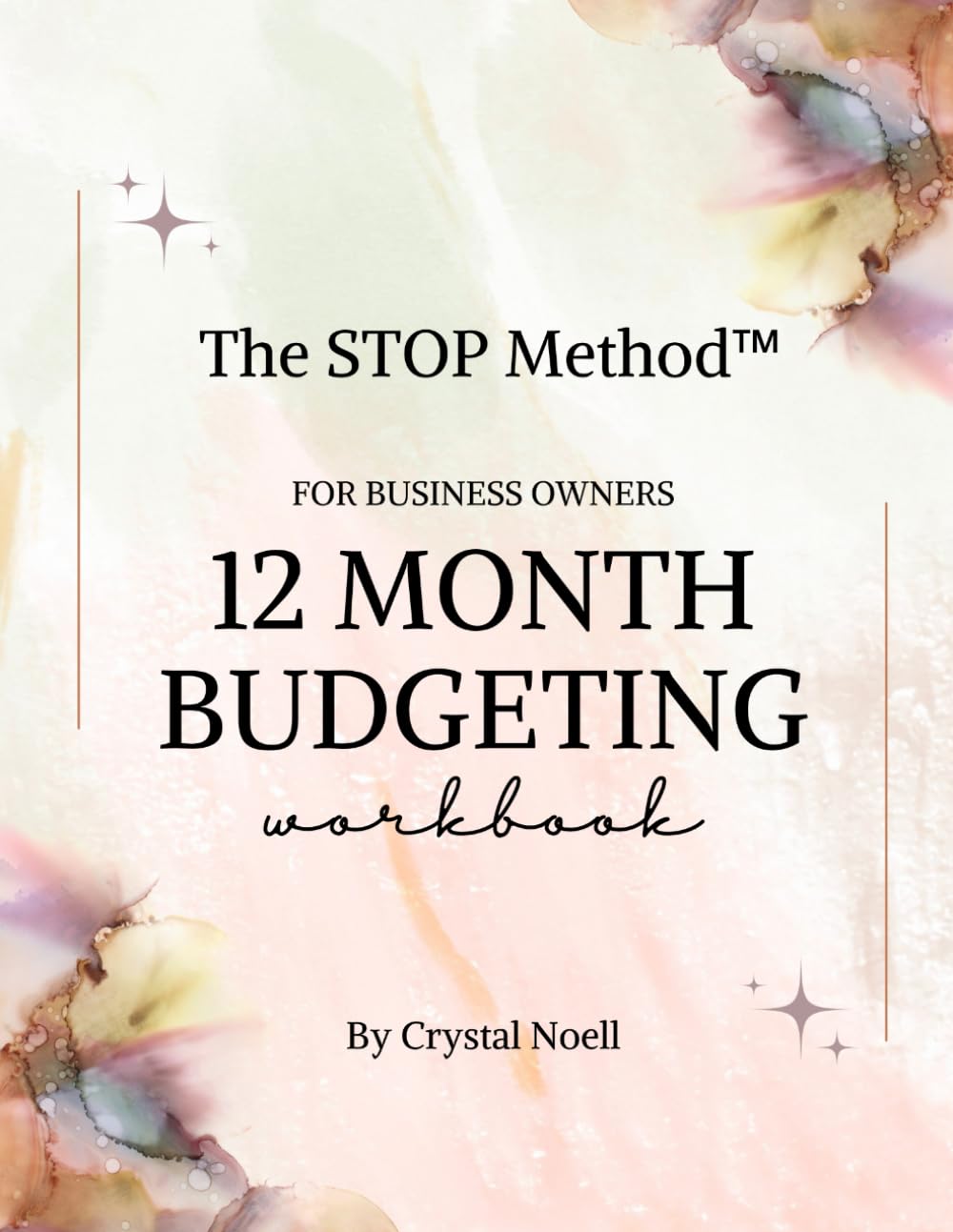
- 📚 Use my STOP Method book and workbook to build a budget that actually supports your business
👉 Because at the end of the day, cash flow isn’t luck, it’s strategy.