Most business owners say they want a long-term vision. A business they can grow into, pass down, or eventually sell. A company that supports their life instead of consuming it.
But many of those same businesses are being run one month at a time.
Cash decisions are made based on what is in the bank today, not on what the business needs to sustain growth over the next decade. Payroll is barely covered, bills are mostly paid, and whatever is left determines the next move. That approach feels practical at the moment, but it absolutely sabotages long-term success.
Short-Term Money Decisions Create Long-Term Damage
When your financial plan only looks 30 days ahead, every decision becomes reactive. Pricing is set based on immediate cash needs instead of true costs. Hiring is delayed until burnout forces it. Time off feels irresponsible because when you step away, revenue generation pauses too. Growth happens in spurts, followed by refunds, layoffs, or pulling back offers just to regain control.
Running your business this way traps you in a constant emotional loop. You feel stressed, anxious, broke, dramatic, and reactive, even during good months. Over time, the chaos starts to feel normal. You begin to believe this is just “what owning a business is like,” and you stop trusting yourself to create anything different.
I want to gently remind you of this: operating this way may be common, but it is not leadership. It makes you normal. And if you want to be a thought leader, if you want to build something meaningful and sustainable, you have to rise above the status quo. You have to break the mold and focus on creating stability and long-term vision.
Short-term thinking leads to:
- Underpricing that erodes margins
- Overworking yourself to fill cash flow gaps and “make it through”
- Avoiding the mirror and refusing to own your role in the chaos
- Fear-based decisions that slowly become your default
The business survives, but it does not mature. And you stay stuck in debt, exhaustion, and scarcity.
Cash Flow Planning Is a Leadership Skill
Long-term businesses are not built on hope alone. They are built on financial leadership.
At some point, a CEO must stop being the engine that generates every dollar and start building a company that can operate without their constant presence. That shift happens when cash flow is planned intentionally and leadership is developed internally. And that only happens when you take ownership of getting out of short-term chaos.
A CEO who plans beyond the current month understands:
- What the business actually costs to operate for 1, 3, and 10 years
- What profit must be protected in order to scale
- What reserves are required for stability
- What future growth will demand from employees and leadership
This is where the EPI formula matters. Expenses + Profit = Income. Income is not the starting point. It is the result of intentional planning that accounts for real costs, payroll, leadership development, and eventually removing yourself from day-to-day revenue generation.
When expenses, profit, and reserves are planned first, the business stops running on leftovers and starts operating with purpose. That is how you move out of survival mode.
One-Month Planning Keeps You in Survival Mode
When your cash plan resets every month, your nervous system never relaxes. There is no margin for mistakes, no room for surprise, and no space for creativity. You know this. You feel it. And yet you stay stuck because change is uncomfortable and requires real effort.
Abundance does not come from positive thinking. It comes from structure, intentional goal setting, and collaboration. That may look like working with an accountability group, hiring a coach, or building a leadership team that can carry weight with you.
Sustainable businesses are not immune to challenges, but they are prepared for them. Preparedness creates safety. Safety creates clarity. And clarity allows you to lead from hope instead of fear.
Long-Term Planning Is How You Exit Scarcity
When you plan cash flow over quarters and years instead of weeks, something powerful happens. Your body calms down. Your thinking expands. You start making decisions based on where you are going, who you are truly meant to help, and whether your financial foundation can support the impact you want to create.
Long-term planning allows you to:
- Build reserves before you need them
- Price for sustainability instead of desperation
- Hire and delegate with intention
- Take time off without losing revenue
- Change the world without burning yourself down
This is how businesses last. This is how CEOs stay sane. This is how abundance becomes a lived experience instead of a buzzword.
Final Thoughts from Your Favorite Accountant 🧡
If your business has a long-term vision but a short-term cash plan, something will eventually break. Long-term growth requires financial leadership, clear systems, and planning that looks beyond the next payroll cycle.
Next steps if you are ready:
- Hire My CFO for done-for-you bookkeeping
- Invest in a CFO Advisory workshop
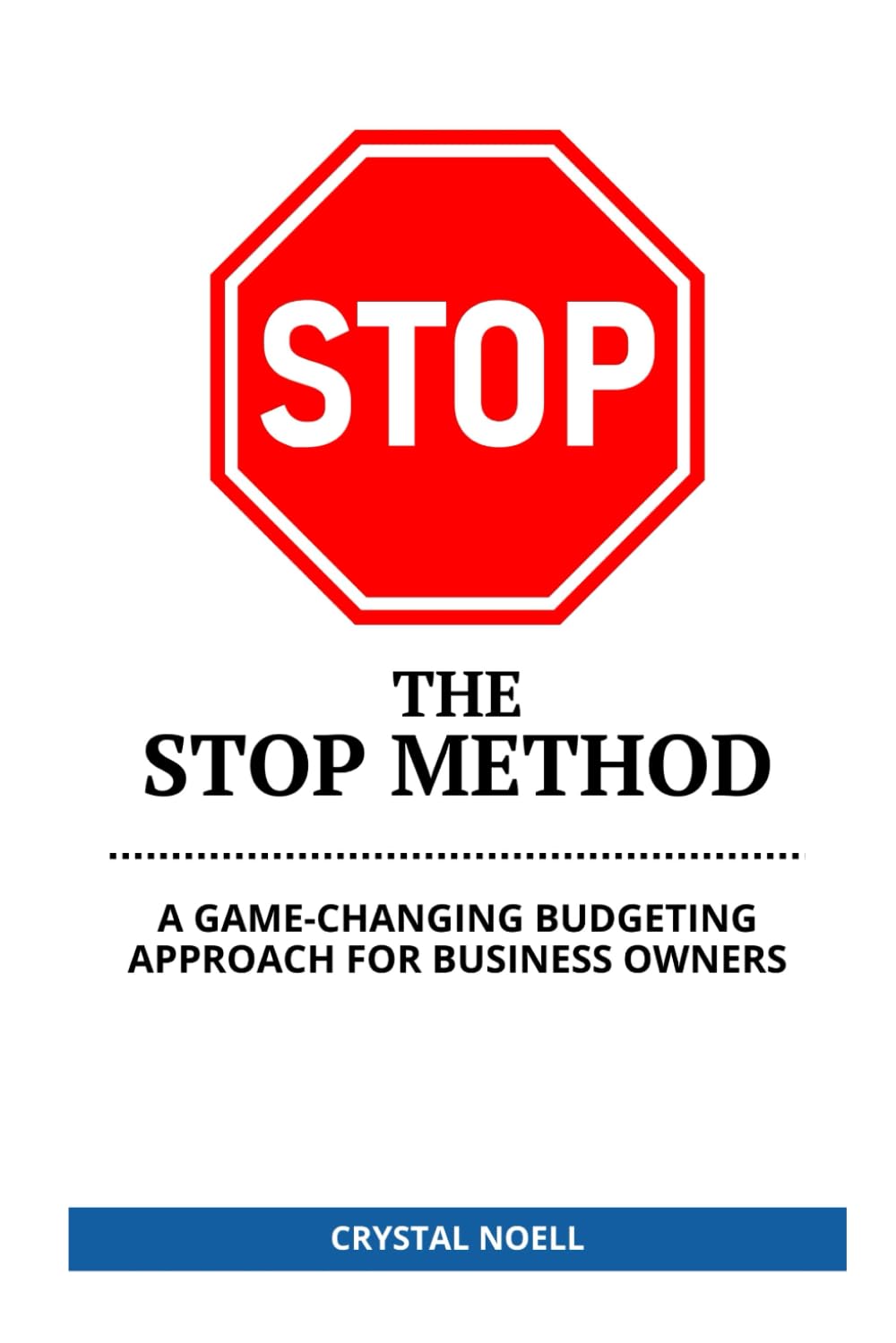
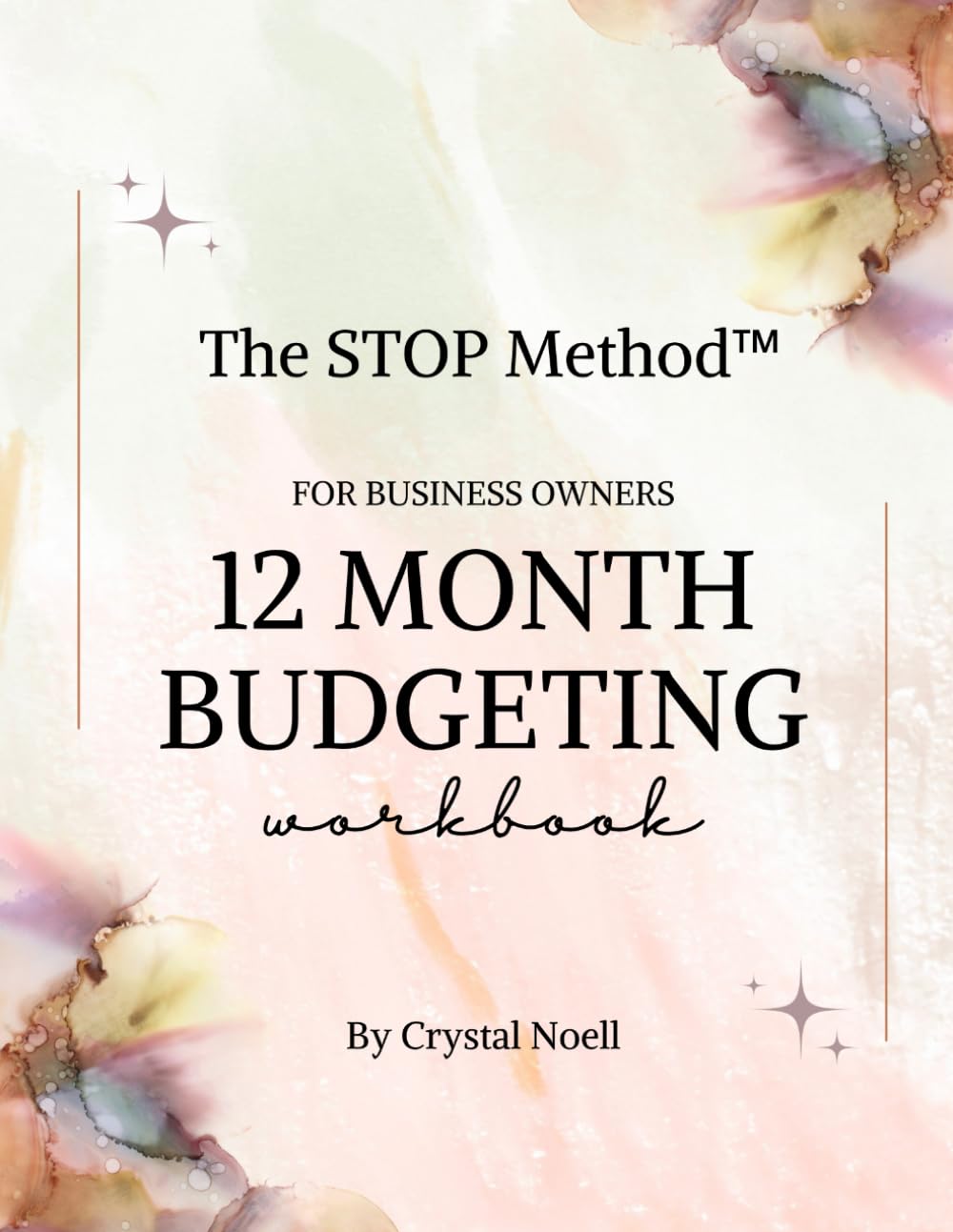
- Use my STOP Method book and workbook to structure your cash flow with intention
👉 Because at the end of the day, cash flow isn’t luck, it’s strategy.