
Hiring Without Financial Leadership Is a Liability
Hiring often feels like the natural next step in growth. It represents relief, leverage, and the hope that you will finally have breathing room. Many CEOs reach this moment because you are feeling stretched thin and eager to get help as quickly as possible. But when hiring is rushed or emotionally driven, it can destabilize your business. Without financial leadership, adding headcount becomes a liability instead of a strategic investment.
Hiring is not a people’s decision first. It is a financial decision that affects cash flow, margins, and leadership capacity for months or even years to follow after your hire. A bad hire can bankrupt you and that is tremendous pressure that shifts directly onto the CEO. That pressure changes how decisions are made and how people are managed. Strong hiring starts with financial clarity and the ability to lead them once they are hired.
The Cost of Labor Is More Than a Wage
One of the most common mistakes I see is treating the cost of labor as the salary or hourly wage on the offer letter. That number is only the starting point. The true cost of labor includes payroll taxes, benefits, insurance, workers’ compensation, and employer contributions. It also includes software, equipment, training time, and the management hours required to support that role.
Beyond direct expenses, there is an opportunity cost most leaders forget to account for. While a new hire is ramping up, productivity is often lower, not higher. You or someone on your team is spending time teaching, correcting, and reviewing work. When this is not planned for financially, it creates frustration and unrealistic expectations on both sides.
Why Labor Costs Impact Cash Flow So Quickly
Labor is one of the most fixed costs in your business. Once you hire someone, payroll does not pause when revenue dips or clients delay payment. Cash flow pressure shows up fast when labor costs are underestimated. This is why businesses can look profitable on paper and still feel constantly stressed.
Financial leadership means understanding how labor costs behave in slow months, not just strong ones. It means knowing how many months of payroll your business can support without panic. When you understand this, you lead from data instead of fear. That shift alone changes the quality of every hiring decision you make. It also helps you decide if an employee is the wrong fit for your business and letting them go sooner than later.
An Org Chart As a Financial Tool
I love using my organizational charts as a financial roadmap. Before you hire, you should be able to clearly articulate what department this role is in, who oversees it, and how much the position will pay.
A clear org chart also helps you determine whether you are hiring to solve a true capacity issue or trying to compensate for broken systems. Many businesses hire people to fix problems that better processes could solve. That is an expensive way to avoid leadership work. Financial clarity requires structural clarity.
Why I Want Six Months of Payroll Before Hiring
This is where financial leadership separates reactive growth from sustainable growth. Before I bring on a new employee, I have put them on the org chart, counting them in payroll. On average, I want to see six months of payroll set aside in SAVINGS for that role, before they are hired.
That buffer protects your nervous system as a CEO and creates stability for your team. It allows you to lead through onboarding, mistakes, and slower revenue months without questioning the hire every time cash feels tight. When payroll is secure, leadership stays steady. Steady leadership builds trust because every new hire you bring on board impacts your culture.
A Good Hire Takes Time and Planning
Hiring well is rarely fast. A strong hire typically takes four to six months from job posting to onboarding. That includes writing the role, sourcing candidates, interviewing, making decisions, notice periods, and training. If you wait until you are overwhelmed to start hiring, you are already behind.
Financial leadership means planning ahead. It means recognizing the lag between decision and impact. When you understand the timeline, you put the positions on your org chart sooner, and start budgeting for them with your pricing model.
Final Thoughts from Your Favorite Accountant 🧡
When you hire with financial clarity, everything changes. You know what the role costs, why it exists, and how it supports the long-term vision of the business. You lead onboarding with patience instead of pressure. Your team feels safer, and performance improves naturally.
Financial leadership turns hiring into leverage. It allows people to succeed because the foundation is stable. Stable businesses retain talent longer and grow with less friction.
Hiring is not about adding bodies to reduce your workload. It is about building an organization that can sustain growth without breaking cash flow or leadership capacity. When you understand the true cost of labor, use an org chart as a financial tool, plan payroll reserves, and respect the time it takes to hire well, hiring becomes strategic.
If you want help evaluating whether your business is truly ready to hire, I can help you look at the numbers honestly and lead with confidence.
✨ Hire My CFO for done-for-you bookkeeping that brings clarity to labor costs
📊 Join My CFO Financial Advisory workshops to plan hiring with intention
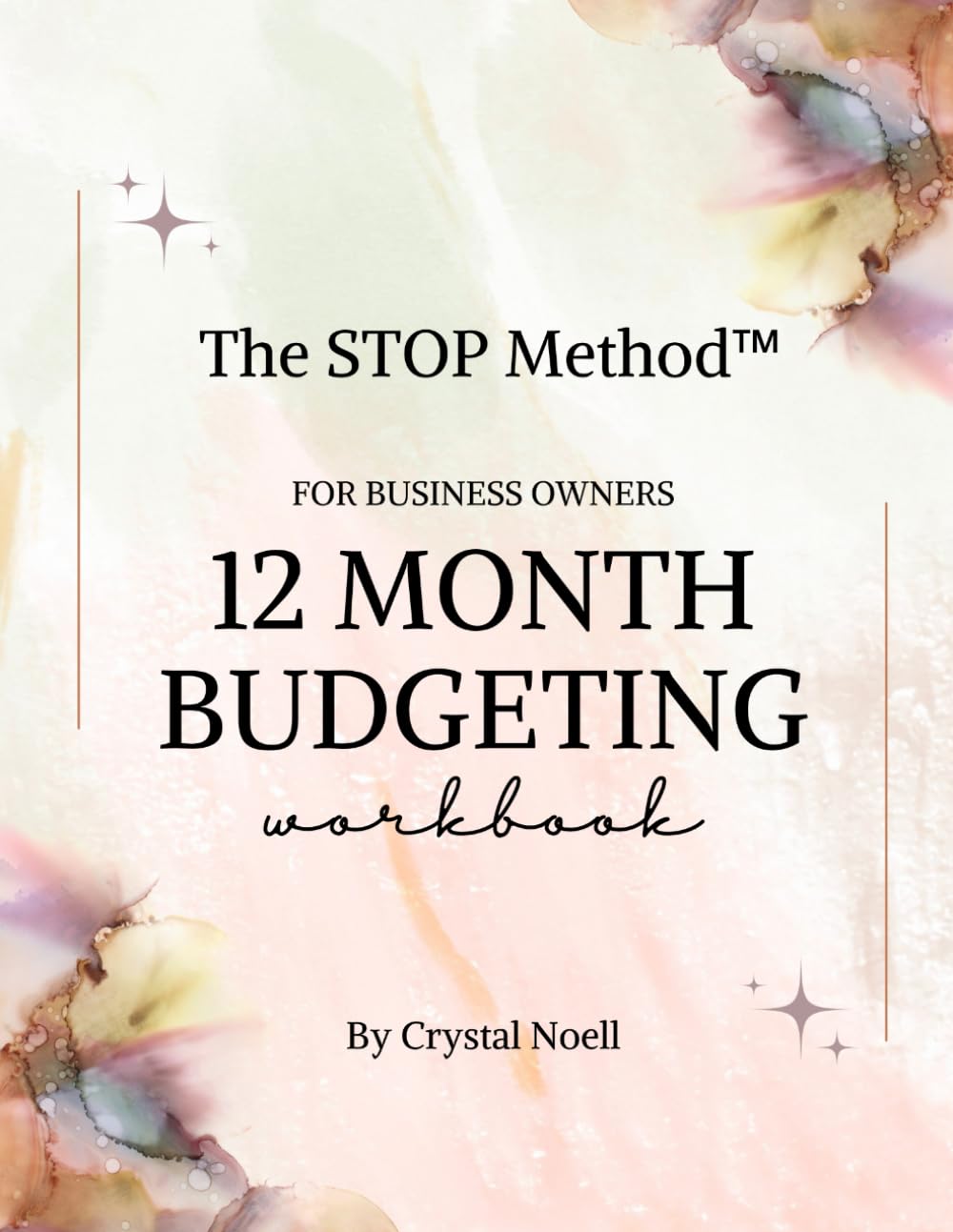
📘 Use the STOP Method book and workbook to build payroll reserves before adding headcount
👉 Because at the end of the day, cash flow isn’t luck, it’s strategy.