Most business owners believe the sale is the hard part. In reality, the hardest phase of a recurring revenue relationship begins immediately after the contract is signed and the first payment is made. In recurring revenue models, retention depends heavily on the client’s early experience. Onboarding is where trust is either reinforced or where your client begins to question what they are actually paying for.
Research from Wyzowl shows that 86 percent of customers say they are more likely to stay loyal to a business that invests in onboarding and education after the sale. This means the first few weeks are not a time to wait for the client to contact you. It is the time for you to show up with vision, structure, and intention. When you lead the process strategically, you demonstrate how seriously you take their success. They may adjust parts of your roadmap as you collaborate, but when you arrive prepared, you communicate that their growth matters.
When onboarding lacks clarity or feels disorganized, doubt begins to form. And once doubt sets in, it takes significantly more time and effort to rebuild confidence. When onboarding is structured, proactive, and thoughtful, confidence grows naturally. That confidence becomes the foundation for long-term partnership.
The Emotional Side of Onboarding
When a business owner hires a recurring service, they are doing far more than purchasing deliverables. They are granting access to sensitive financial information, internal systems, habits, and in many cases, areas of their business that feel vulnerable.
If a new client feels rushed, forgotten, or confused during onboarding, anxiety increases and they feel like they have wrongly invested. According to Edelman’s Trust Barometer, trust is one of the strongest predictors of long-term business loyalty. Clients who trust their service provider are significantly more likely to maintain and expand that relationship.
Caring about how your client wants to be treated during onboarding is not a soft skill, it is a retention strategy. And thankfully, it feels really good to provide that level of care.
Overcommunicating Builds Trust
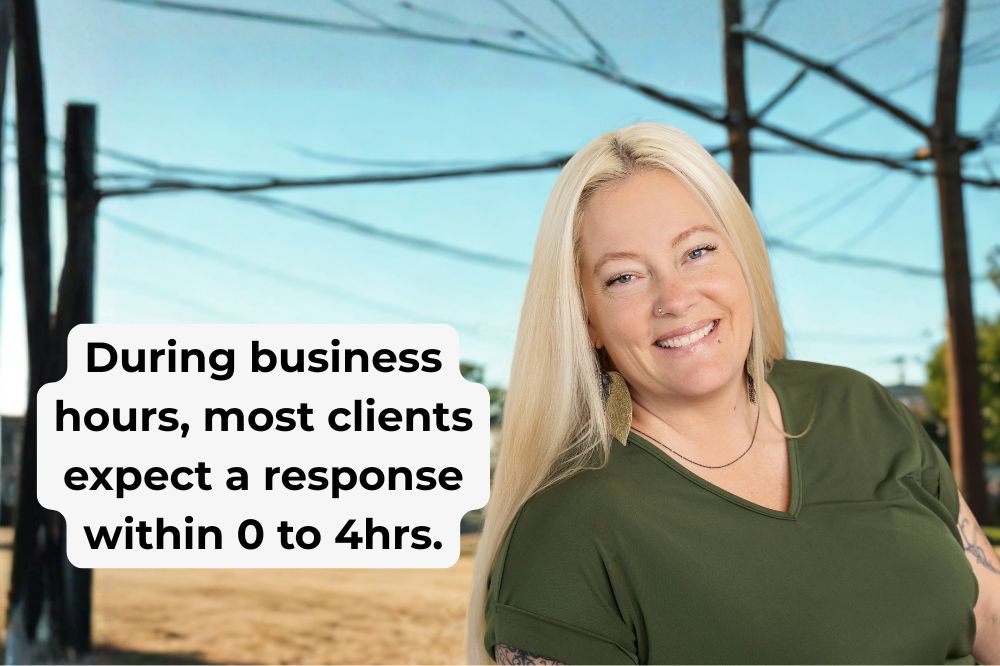
Recurring clients need to understand what happens next. They want clarity around timelines, responsibilities, communication rhythms, and measurable progress. According to HubSpot, 90 percent of customers consider an immediate and clear response critical when they have a question. During business hours, most clients expect a response within zero to four hours. Silence or ambiguity during onboarding can quickly erode confidence.
When clients understand what is happening behind the scenes, they are far less likely to question value. In financial services especially, progress must be visible and articulated. For example, with My CFO, if books are being cleaned up, systems are being reorganized, or reporting structures are being built, those steps must be communicated clearly. Otherwise, clients may misinterpret a lack of communication as inactivity.
Research from Totango shows that customers who experience early wins with a recurring service are significantly more likely to remain long term. Early wins do not need to be big, they simply need to be vocalized and celebrated. I would recommend within a week of your client onboarding that you share, with a screen shot, of one thing that you have made forward movement on. When clients see measurable improvement in organization, reporting accuracy, or financial understanding within days of onboarding, trust deepens. And trust is everything when it comes to building a recurring revenue foundation.
Final Thoughts From Your Favorite Accountant
Long-term retention begins on day one. If you want your recurring revenue clients to stay with you long term, onboarding cannot be treated as an administrative step. Clients who feel cared for, informed, and guided from the beginning are far more likely to stay, refer others, and expand their engagement.
Your onboarding process must carry emotional intelligence alongside operational excellence. When you combine structure with empathy and clarity with consistency, you create a transformational partnership instead of a transactional interaction.
If your 2026 goal planning includes delegating your financials, here is where I can support your growth:
📊 Daily Bookkeeping Services
💼 April CFO Advisory Workshop
📘 DIY Budgeting Tools
Because at the end of the day, cash flow isn’t luck, it’s strategy.