If your business cannot function without you approving every expense, fixing every problem, and constantly holding everything together, you don’t own a business. You own a job. And it is probably the most demanding job you have ever had.
The difference between a business and a job is not revenue. It is not team size. It is not how full your calendar is. The difference is financial leadership, your ability to delegate revenue generation and responsibility to others.
Financial Leadership Is the Difference Between a Business and a Job
Most business owners can generate revenue. That part is not rare or unique, because your vision and passion are the reason your business exists. What is rare is a CEO who truly understands how cash moves through their business and how to delegate responsibility that empowers others on your team.
Most entrepreneurs were never taught how to lead financially. You were taught to work harder, sell more, and figure it out as you go. Over time, this makes you excellent at producing, serving, and solving problems, but it does not teach you how to create stability for yourself or for your team.
Without this skill, the business depends on you to absorb all the pressure, all the risk, and all the uncertainty. Eventually, that weight limits growth, drains energy, and keeps the business dependent on your constant involvement.
A Business That Depends on You Is Fragile
If your business only works when you are overworking, underpaid, and constantly stressed, it is not healthy. It may look impressive. It may even be admired. But it is fragile.
A business that is financially stable can pay its owner a true market wage. It can withstand slow seasons without panic. It can make decisions from data instead of fear. It can grow without breaking.
CEOs who build companies that outlive them do not make decisions based only on this month’s revenue or emotional pressure. They think long-term. They consider margins. They plan for reserves. They prioritize sustainability before speed. They understand that today’s decisions shape the future health of the business.
Cash Flow Is a Leadership Tool
Cash flow is not just a financial metric. It is a leadership tool.
At a basic level, cash flow is simply the timing of money coming into your business and money going out to cover expenses. It answers one critical question: do you have enough money available when you need it, any day of the week?
For example, you might invoice a client today but not get paid for thirty or sixty days. Meanwhile, payroll, rent, software, and taxes still need to be paid on time. A business with strong cash flow plans for that gap. A business without cash-flow leadership feels constant pressure, even during “good” months.
Understanding your cash flow ebbs and flows is what allows a business to grow beyond its founder, support employees long-term, and remain strong through change. A job requires your presence. A business requires your leadership. And leadership starts with understanding your cash flow.
Final Thoughts from Your Favorite Accountant 🧡
Financial leadership is not about being “good with numbers.” It is about being willing to look at the data, understand the gaps in your cash flow, and delegate out to your team.
If you are ready to move from operator to CEO, here are the resources I provide:
- Hire My CFO for done-for-you bookkeeping
- Invest in My CFO Financial Advisory workshops
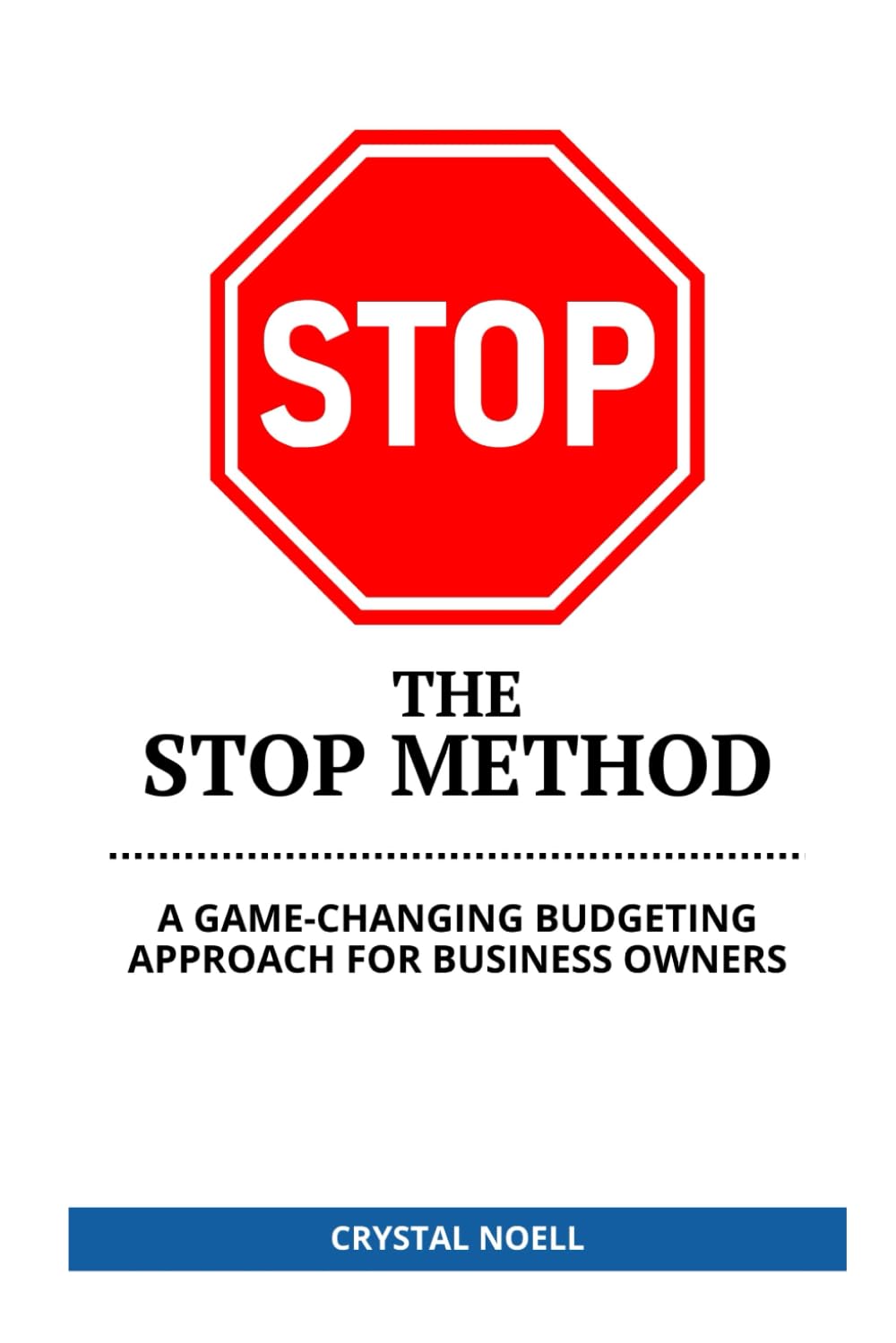
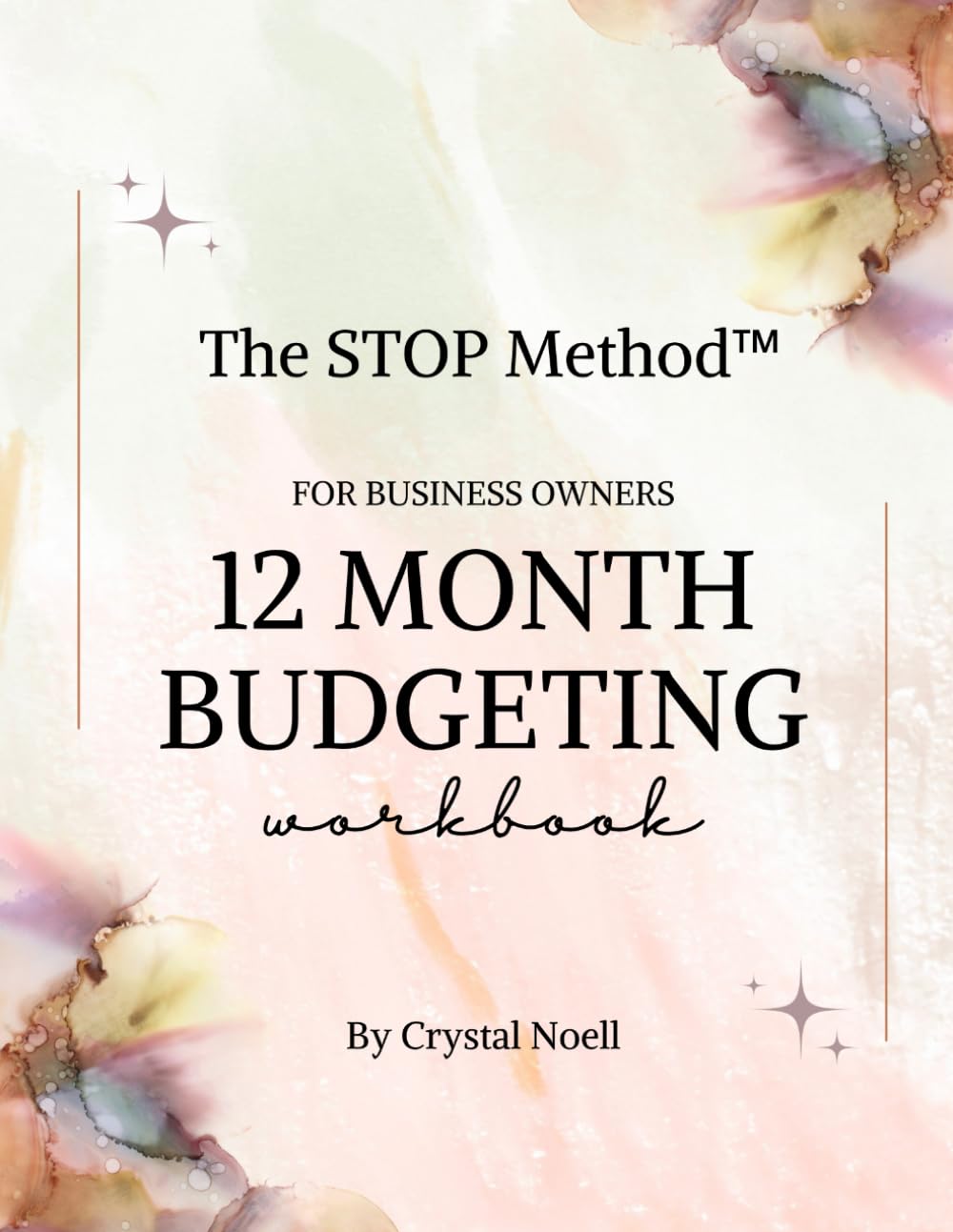
- Use my STOP Method book and workbook to structure profit and reserves with intention
👉 Because at the end of the day, cash flow isn’t luck, it’s strategy.