Money shame is heavy. It is heavier than most people ever think or say out loud. Nearly 82% of small businesses fail because of cash flow problems. Money is also one of the leading causes of divorce, with roughly 40% of couples reporting finances as their biggest source of conflict. And countless people believe they are not truly worthy of building wealth or living in comfort, even when they work harder than most.
Poverty thinking lives in the way you second-guess your prices or refuse to raise them. It lives in the way you apologize for your invoices and feel uncomfortable when someone compliments your success. It shows up when you downplay your wins because it feels wrong to have enough when so many others do not. Money shame teaches you to survive in scarcity instead of learning how to retain wealth and use it to create stability, opportunity, and empowerment for others.
For a long time, I believed that wanting financial security made me selfish. I thought struggling meant I was humble and that ease meant I was doing something wrong. That belief kept me exhausted, working eighty-hour weeks and missing my children’s events. It kept me disconnected from the life I actually wanted to build. I have changed my money story, and now I do my best to share how I did it with you.
Money Shame Is More Than a Money Problem
What makes this so complicated is that poverty feels familiar. Even when you do not want to be broke, even when you are exhausted by the stress, part of you believes this is what is normal and that you somehow belong in the struggle. You know how to survive there. The familiar pain of poverty can feel safer than the unfamiliar responsibility of stability. So you stay stuck, not because you want to, but because your body and brain learned how to function in scarcity and wealth feels loaded with guilt.
This is why money shame is so dangerous. It convinces you that living on poverty wages is normal and that only people born into wealth are allowed to build it. It leads to burnout, anxiety, and despair because it attacks your deepest identity: your ability to provide, to protect, and to be enough.
My Story: From Survival to Stability
My relationship with money started in survival. My biological parents were drug addicts. I grew up in foster care. Stability was never guaranteed. Safety was never assumed. I learned how to get through the day, not how to build a future.
My sisters and I were locked in rooms for days with no food, no guidance, and no protection, yet somehow we survived. But survival leaves marks and those invisible marks are brutal to heal and change. It makes it hard to take up space. It makes it hard to believe you deserve more than barely making it.
Later, I repeated that cycle by living on government assistance. I was still surviving, just in a different form. I was grateful, but I was trapped in a mindset that said struggle was normal and stability was temporary. I could not imagine a life where money felt steady, supportive, and safe.
My catalyst came during COVID. When the world shut down, one of my businesses became something owners desperately needed. They were hungry for it and willing to pay top dollar. And my Executive Director believed in me before I fully believed in myself. She was my cheerleader while I worked through the emotional and mental shift around money.
I had to learn that wanting more was not greedy. It was responsible.
I had to learn that respecting my value was not arrogance. It was leadership.
I had to learn that building wealth was not abandoning my past. It was honoring how hard I had worked to survive it.
And when I charged what my work was truly worth, I was finally able to pay and support my staff well and to take care of my family. That was the moment everything changed and helped me become the woman I am today.
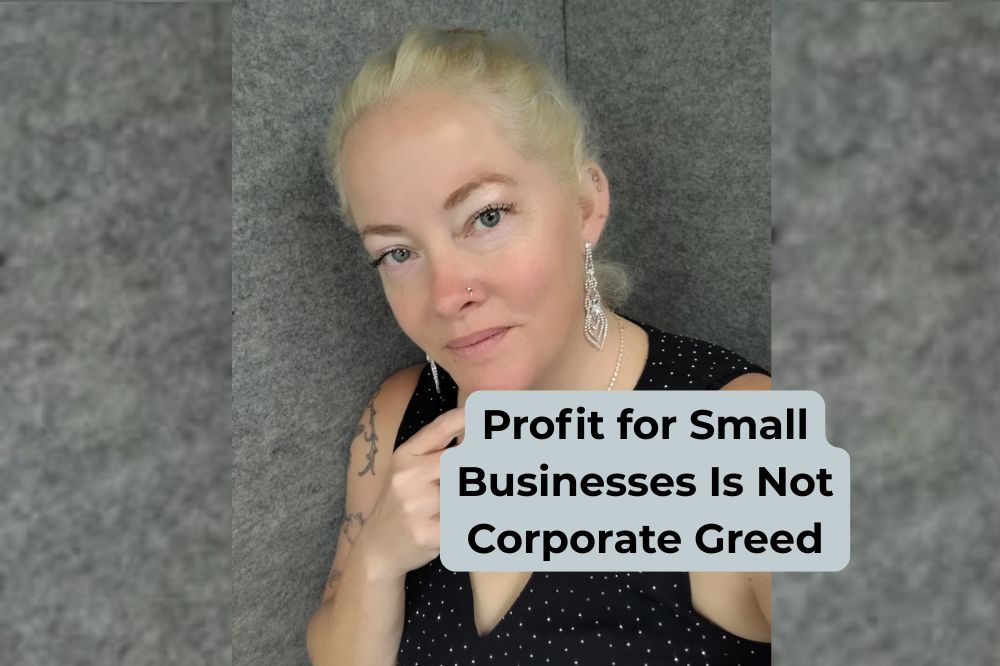
Profit for Small Businesses Is Not Corporate Greed
When you hear the word profit, you probably think of massive corporations and excess. That is not what profit means for small business owners. Profit is what allows you to pay yourself. Profit is how you build cash reserves to prepare for worst-case scenarios. It is how you protect payroll, hire incredible people, and pay them well. Profit as a small business owner is not greed. It is stewardship.
Money shame shows up in underpricing. It shows up in discounts you regret. It shows up in not paying yourself consistently. It shows up in keeping your team underpaid because you are afraid you will not have enough to cover payroll. And when you cannot see your own value, it becomes almost impossible to truly see the value in others.
You cannot lead others into stability if you refuse to give yourself permission to have it.
Final Thoughts from Your Favorite Accountant 🧡
Breaking money shame is generational work. It is not just about you. It is about your children. It is about your team. It is about the people who watch you and learn what is possible by observing your choices and actions.
I did not grow up believing wealth was possible for someone like me. I had to choose that belief before I ever saw proof. That choice changed how I built, how I hired, how I priced, and how I lived. I went from poverty to generational wealth, and I still choose every day to fight the old patterns, to stop passing down fear, and to start passing down stability, confidence, and possibility.
When you change your relationship with money, you change how you show up in your business, your family, and your life.
If you want financial support that understands you are a human first and a business owner second, here is how we help:
✨ Daily bookkeeping
📊 Financial Advisory Workshops
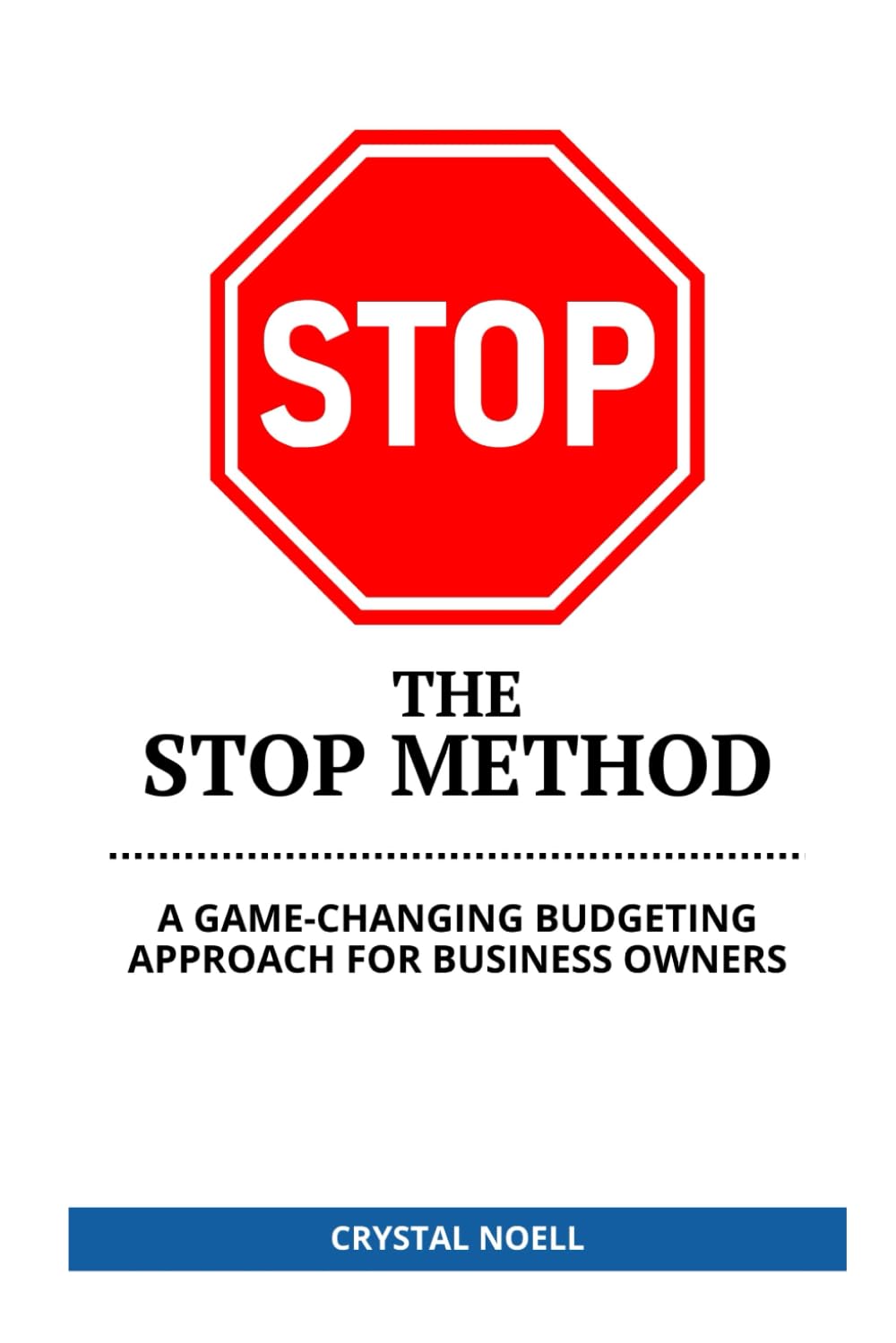
📘 The STOP Method™ book and DIY Annual Budgeting Workbook
👉 Because at the end of the day, cash flow isn’t luck, it’s strategy.