
Cash flow is emotional, not just financial. We often talk about cash flow like it’s purely a math problem, but it’s deeply human. It affects how safe you feel, how supported you feel, and how much capacity you have to care for others. When your finances are unstable, your leadership and your relationships carry that weight.
Cash flow stress is sneaky. It doesn’t always show up as panic or obvious fear. Sometimes it shows up as irritability, short patience, overthinking, or the constant need to stay “on.” You might still be performing, still leading, still getting things done, but underneath it all, your nervous system is operating in burnout mode.
That stress doesn’t stay in your bank account. It follows you into your conversations, your decisions, and your relationships. It shows up in how quickly you respond, how much grace you give to others, and how tightly you hold control. Cash flow stress has a way of shrinking your world until survival becomes the focus instead of connection, creativity, and opportunity.
The Circle of Influence You Wish You Had
Most business owners have a vision for the kind of influence they want to have. You want to be calm, steady, and grounded. You want to lead with confidence and clarity. You want to show up for the people around you in a way that feels present, generous, kind, and caring.
Your circle of influence includes your spouse, your children, your employees, your friends, and even other business owners who look to you for leadership or inspiration. When your cash flow is stable, your influence expands naturally. You “glow” differently. You become more patient, more thoughtful, and more open. When cash flow is stressful, that circle tightens. You conserve energy. You protect yourself. You pull inward even when you don’t want to. I speak from experience, as you know.
How It Shows Up With Your Spouse
When cash flow is uncertain, your partnership feels it first. Conversations become shorter. Decisions feel heavier, with a shorter fuse on everyone’s patience and empathy. You may avoid talking about money because you feel disappointed. I mean, who wants to be constantly reminded how broke they are and that it is tied to their business? Not me. Either way, the emotional safety your business is supposed to provide for your family becomes a pain point for both you and your partner.
Instead of dreaming together, you may start blaming each other, slowly creating a rift in your relationship. Instead of planning for the future, you try your best to manage the present. Maybe your partner has to work more. Maybe you take out loans to cover personal finances. But over time, that pressure from your business not having stable cash flow quietly erodes intimacy, safety, and connection in your marriage.
How It Shows Up With Your Children
Children are incredibly perceptive. They may not understand your numbers, but they feel your stress. They notice when you are distracted, short-tempered, or emotionally unavailable. They feel the tension in your body long before you say anything out loud. They are watching you closely, often to gauge your mood and how you will respond.
Financial stability creates space for presence, playfulness, and patience. If you are trying to provide a different lifestyle and heal generational trauma with your children, it is important to be honest with them while also remembering that they are children whose sense of safety should be your top priority. They do not need to carry your financial fears to learn resilience. They need consistency, reassurance, and a parent who feels emotionally available.
How It Shows Up With Your Employees
Your team also feels your cash flow stress even if you never talk about money. It shows up in how you delegate, how you communicate, and how quickly you shift from trust to control. When you are worried, you micromanage. When you feel unsafe, you tighten expectations. When you are stressed, you become less like a leader and more like a co-worker to them.
Employees thrive under calm leadership. They grow when they feel safe to think, try, and innovate. Cash flow stress shifts your leadership from visionary to reactive. You stop casting a future they believe in and start managing survival. At that point, it becomes your responsibility to change the financial situation, because your team can only rise as high as the stability you create.
How It Shows Up With Friends and Other Business Owners
Cash flow stress can quietly isolate you. I lived this in 2025 when I was blindsided by an employee situation. My company lost fifty percent of our clients and revenue within two months. A financial impact like that causes you to stop sharing openly. You compare yourself more. You feel behind and like a failure. Conversations become filtered because you don’t want to explain or expose what feels embarrassing.
With other business owners, this often shows up as either overperforming or withdrawing. You either project strength to hide stress, exaggerate wins, or pull away entirely because vulnerability feels too heavy. Financial stability allows you to be honest, collaborative, and present without fear of being judged. When you feel financially safe and able to provide, you communicate differently, you show up differently, and you connect differently.
Final Thoughts from Your Favorite Accountant 🧡
Financial leadership isn’t just about profit. It’s about protecting your peace. It’s about creating a foundation that allows you to show up as the version of yourself you want your spouse, children, employees, and community to experience.
If you want financial support that understands the human side of leadership, here is how we help:
✨ Daily bookkeeping
📊 Financial Advisory Workshops
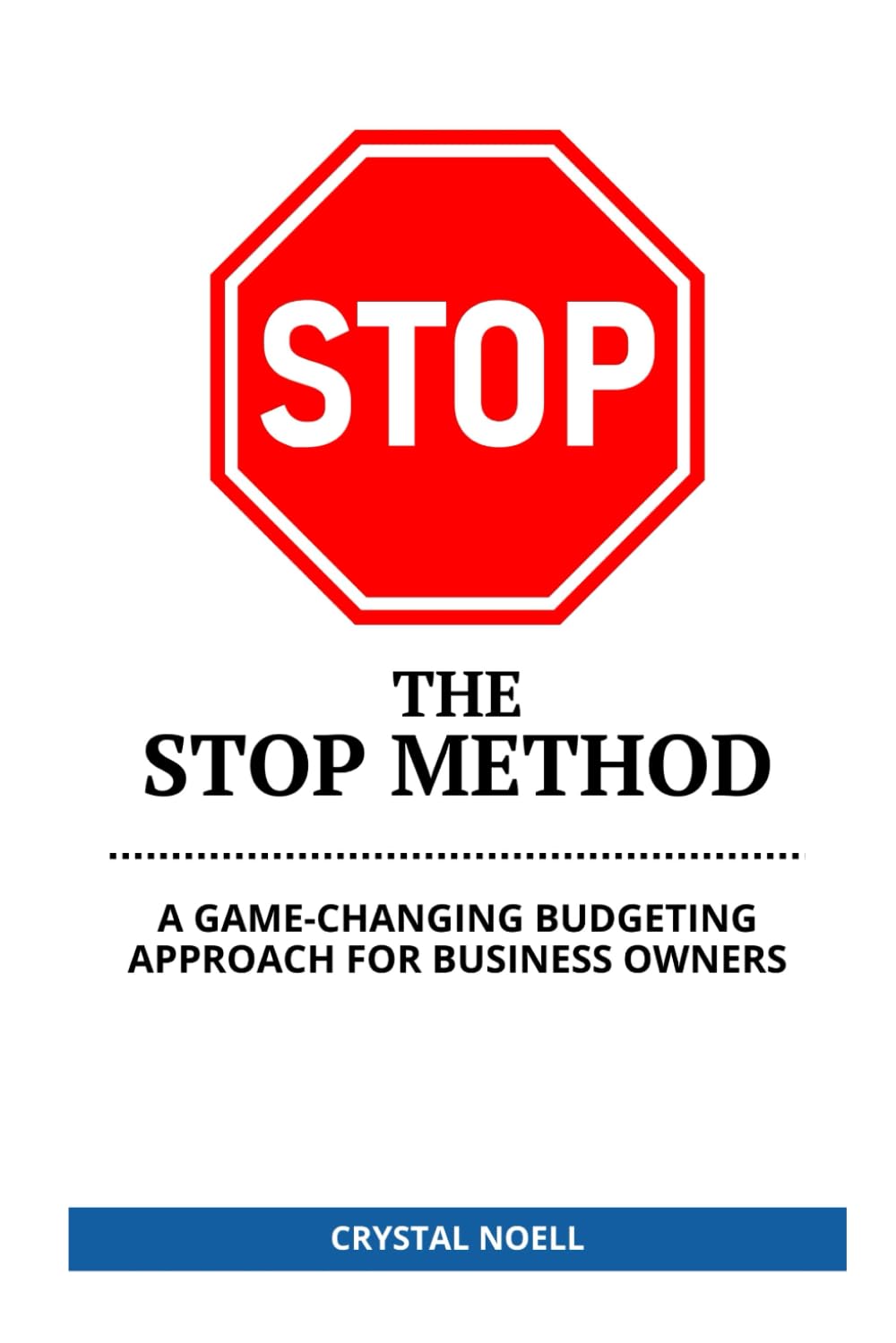
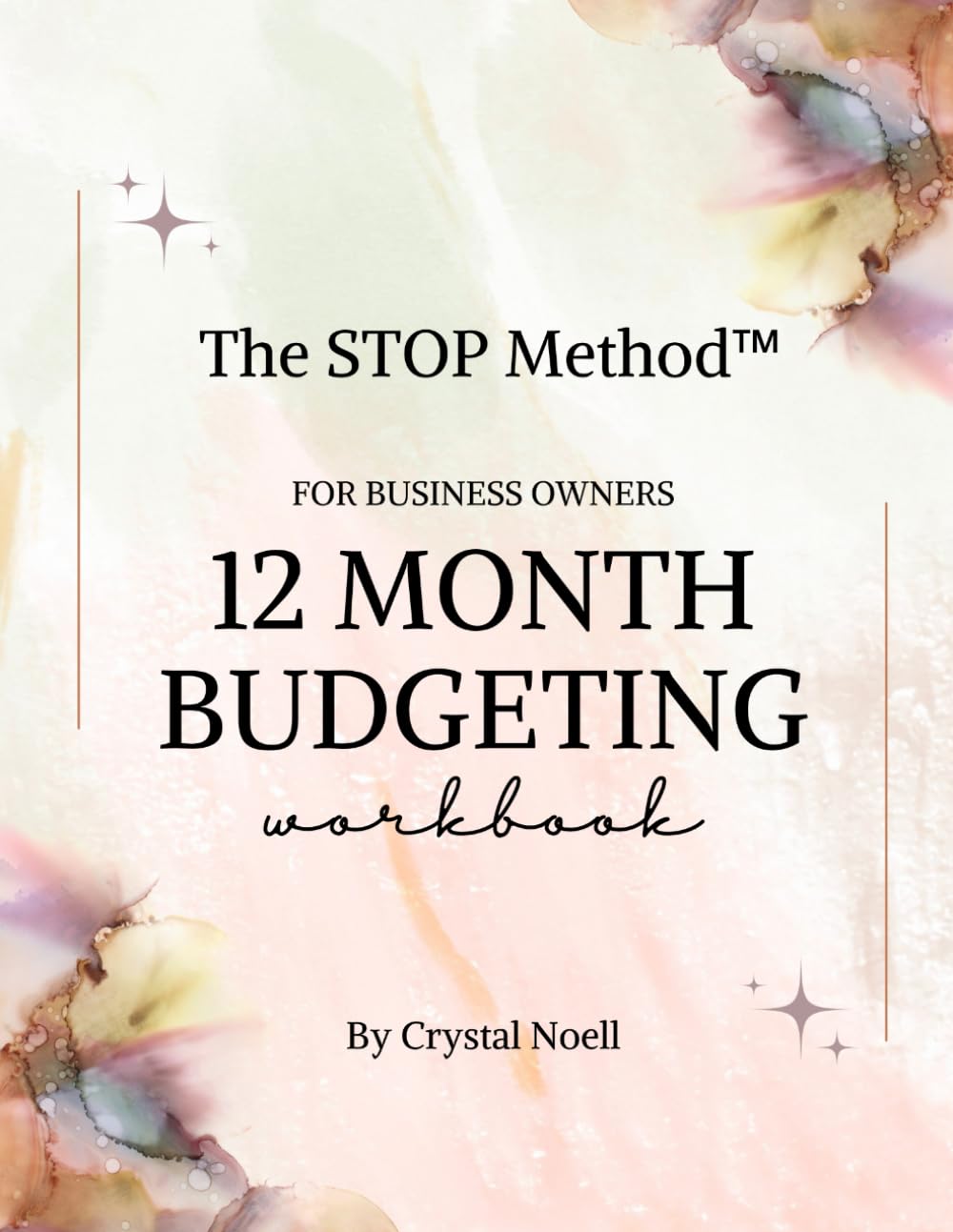
📘 The STOP Method™ book and DIY Annual Budgeting Workbook
👉 Because at the end of the day, cash flow isn’t luck, it’s strategy.